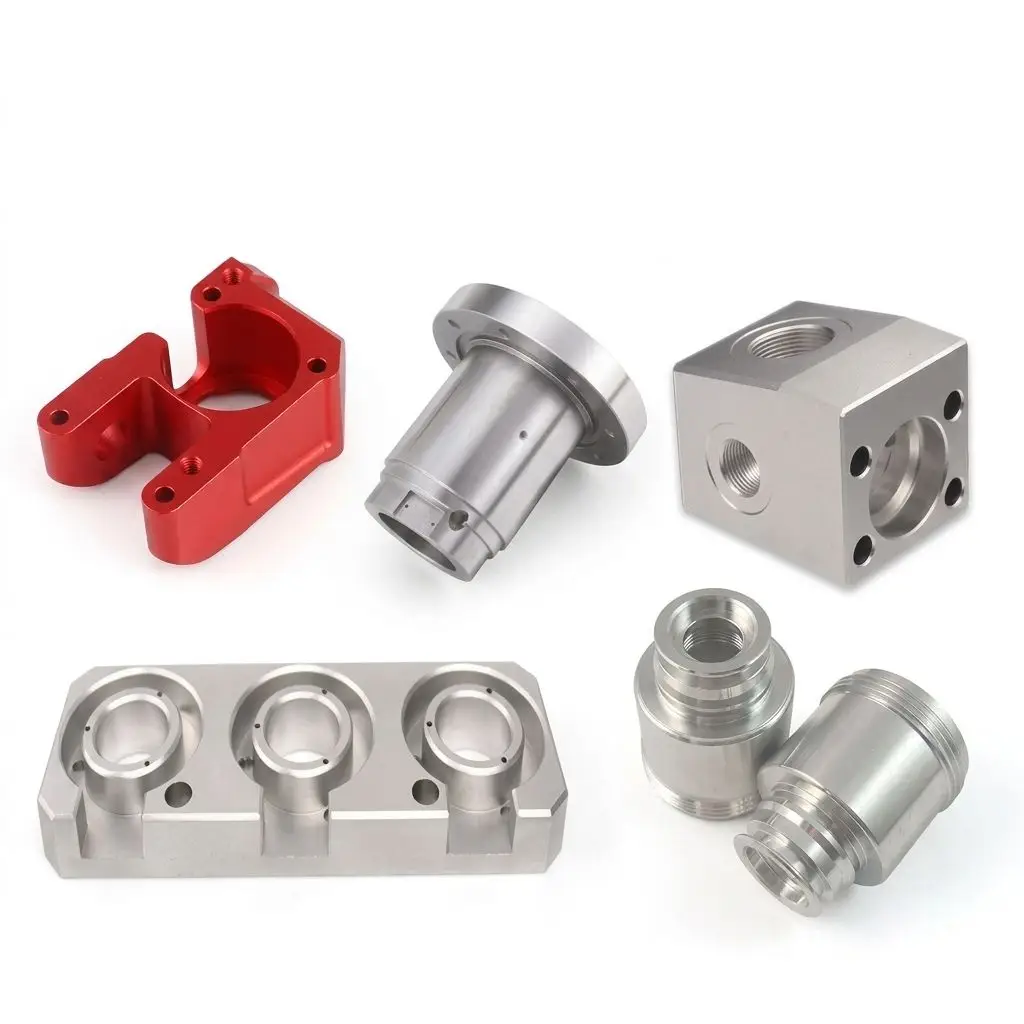
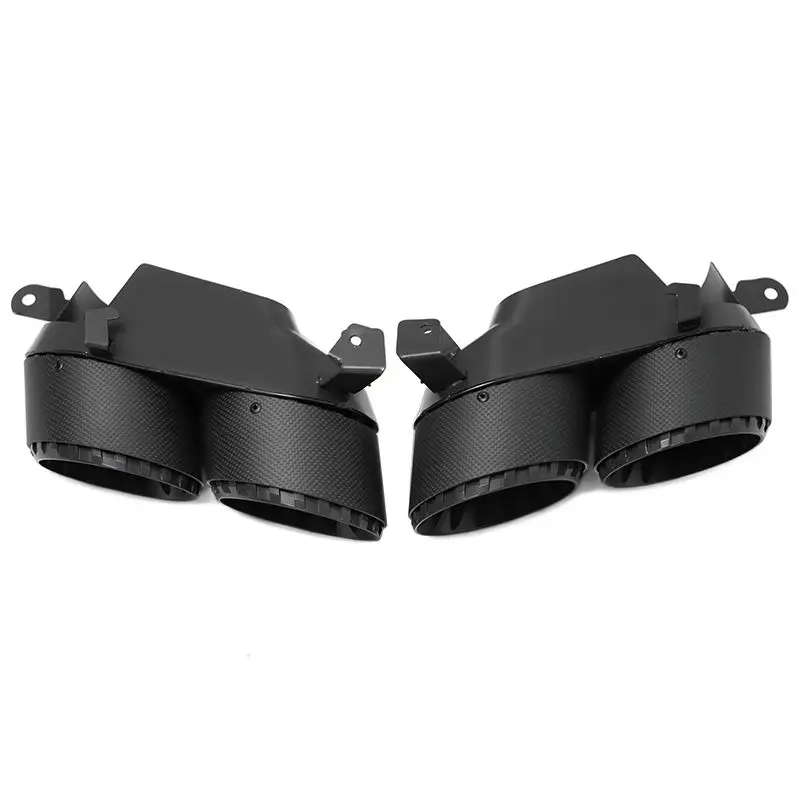
OEM, ODM and custom manufacturing are often used interchangeably, but they describe different arrangements. Choosing the right model affects ownership of the design, tooling cost and how you control the product.
Definitions
- OEM (Original Equipment Manufacturing) — you provide the design or specification, and the manufacturer produces it. You own the design and brand.
- ODM (Original Design Manufacturing) — the manufacturer provides an existing design or develops one for you, which you rebrand and sell.
- Custom Manufacturing — a broad term for producing parts to your unique drawings, materials and finishing requirements, often including prototyping and low MOQ.
Comparison
| Aspect | OEM | ODM | Custom Manufacturing |
|---|---|---|---|
| Who owns the design | You | Manufacturer | You (built to your spec) |
| Tooling cost | Usually yours | Often shared or included | Depends on project |
| Time to market | Slower | Faster | Flexible |
| Differentiation | High | Low–medium | High |
| Best for | Established products | Quick market entry | New or niche parts |
How to choose
Choose OEM when you already have drawings, CAD files or a finished sample, and want full control of the product and brand.
Choose ODM when you want to move quickly using an existing design and rebrand it under your own name.
Choose custom manufacturing when your part is new, requires specific materials or finishing, or you need prototyping and low MOQ to validate demand before scaling.
A practical path
Many buyers start with custom manufacturing to develop a prototype, then move to OEM production once the design is finalized. A manufacturer who supports both — with low MOQ and fast sampling — gives you a single partner across the whole lifecycle.
For custom car, RV, marine, motorcycle and bicycle parts, send us your drawing and we will advise on the right model for your project.
Specialists in custom vehicle parts manufacturing — OEM/ODM, CNC machining, materials selection and finishing for 8 vehicle lines.