Custom Truck & Pickup Parts Manufacturer — Commercial Vehicle Components
Heavy-duty truck and pickup accessories and components, custom manufactured for commercial and off-road use.
We manufacture truck and pickup components built for load, weather and heavy use — bed accessories and tie-down hardware, towing components, mounting brackets and protection accessories. Parts are produced to tight tolerances in durable materials and inspection-checked before packaging.
Truck & Pickup Parts Manufacturing: Scope & Capabilities
We are a custom truck parts manufacturer serving aftermarket brands, fleet suppliers, commercial vehicle builders and distributors. We take a defined requirement — a drawing, a failed part, or a product concept — and turn it into production batches that hold their specification on repeat orders.
Commercial vehicle hardware is judged differently from passenger-car parts. A truck component is often exposed, frequently loaded and rarely inspected. The practical consequence is that material thickness, corrosion protection and the consistency of the weld or joint matter more than a marginal weight saving.
Categories We Manufacture
- Bed and cargo hardware — tie-down points, rails, anchors and bed accessories
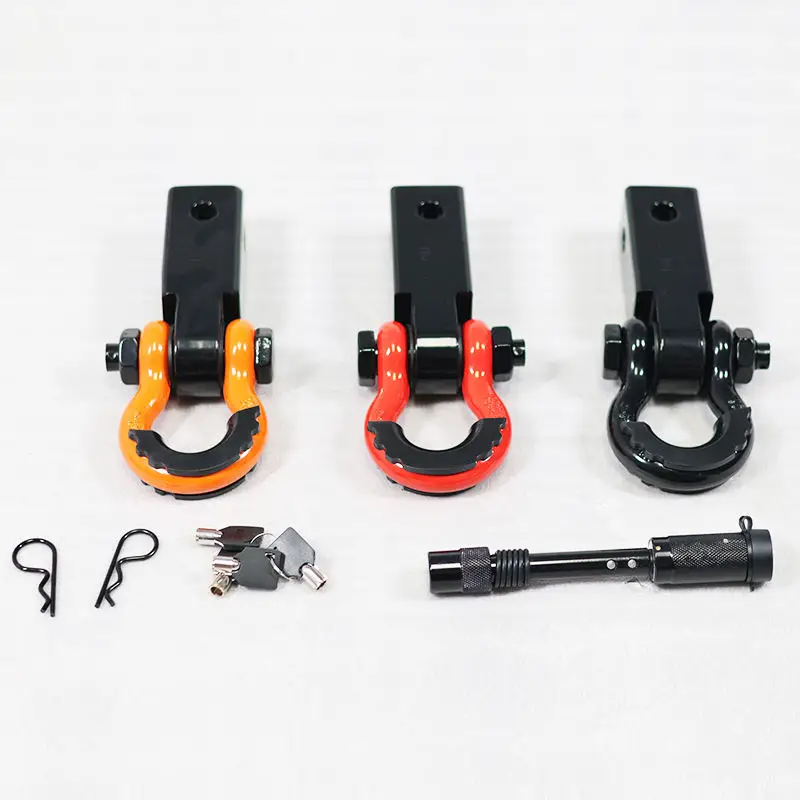
- Towing components — tow hooks, hitch hardware, mounting plates and recovery points
- Mounting and structural parts — brackets, frame hardware and reinforcement plates
- Protection accessories — guards, shields, covers and body protection
- Commercial vehicle fittings — handles, steps, latches and service hardware
How a Custom Truck Part Program Runs
- You send a drawing, CAD file, physical sample or written requirement.
- Our engineers review manufacturability and propose material, thickness and finishing options.
- We prototype so you can verify fit on the actual frame, bed or body mounting points.
- Production runs with in-process checks at defined stages.
- Every batch passes final inspection against your approved sample before packing and export.
For safety-relevant components such as towing hardware, we treat the specification as fixed once approved — subsequent batches are produced to the same drawing, material and inspection criteria without substitution.
Load, Impact and Weather: What Truck Hardware Must Survive
Truck and pickup components work in a harsher duty cycle than most vehicle parts.
Sustained load. Bed tie-downs, rack mounts and towing points carry static and dynamic load through every journey. The critical factors are material section, joint design and how load is transferred into the vehicle structure — not the finish.
Shock and impact. Off-road and worksite use adds impact loading that a road-only vehicle never sees. Components must tolerate deformation within limits rather than fracturing, which is a material and heat-treatment question, not a coating question.
Corrosion. Road salt, spray, mud and standing water attack exposed hardware continuously. Corrosion protection is not cosmetic on a truck part — a seized fastener or a rusted-through bracket is a functional failure.
UV and abrasion. Bed-mounted components sit in direct sun and are repeatedly loaded and dragged against cargo. Coatings must tolerate abrasion, not only weather.
Truck & Pickup Components We Manufacture
| Component group | Typical process | Common application |
|---|---|---|
| Truck bed accessories and tie-down hardware | Machining, forming, welding | Cargo restraint, bed organization |
| Tow hooks, hitches and towing components | Forging, machining, welding | Recovery, towing, trailer attachment |
| Mounting brackets and frame hardware | CNC machining, sheet metal forming | Accessory mounting, structural reinforcement |
| Exterior guards and protection accessories | Forming, machining, assembly | Body protection, worksite use |
| Commercial vehicle fittings and handles | Casting, machining, molding | Cab, service access, utility bodies |
Truck Bed Accessories & Tie-Down Hardware
Bed hardware is the highest-volume category in this line. We produce tie-down anchors, rails, mounting tracks, brackets and bed fittings in steel, stainless steel and aluminum, with finishes selected for the exposure the vehicle actually sees. See our truck bed tie-down and accessory hardware for the standard component range.
Tow Hooks, Hitches & Towing Components
Towing hardware carries the most serious consequences if it fails, so specification discipline matters more here than anywhere else in this category. We manufacture tow hooks, mounting plates and related components to your drawing, and hold the approved specification across repeat batches. See our pickup tow hooks and towing hardware for the standard range.
Mounting Brackets & Frame Hardware
Brackets transfer load from an accessory into the vehicle structure. We machine and form brackets and reinforcement plates in steel, stainless steel and aluminum, sized to your load case rather than to a catalogue standard.
Exterior Guards & Protection Accessories
Guards, shields and covers protect both the vehicle and the accessory mounted to it. We produce formed and machined protection components, commonly powder coated for abrasion and corrosion resistance.
Material & Finish Choice for Heavy-Duty Use
Material and finish are chosen together, because the best material with the wrong finish still fails.
| Requirement | Material direction | Finish direction |
|---|---|---|
| High load, static | Steel with adequate section, or stainless | Zinc plating, powder coating, galvanizing |
| High load plus weight limit | Aluminum or high-strength steel | Anodizing, powder coating |
| Corrosion-critical exposure | Stainless steel 304 / 316 | Passivation, polishing, plating |
| Abrasion from cargo | Steel, aluminum | Powder coating, galvanizing |
| Visible aftermarket part | Aluminum, stainless steel | Powder coating in color, anodizing, polishing |
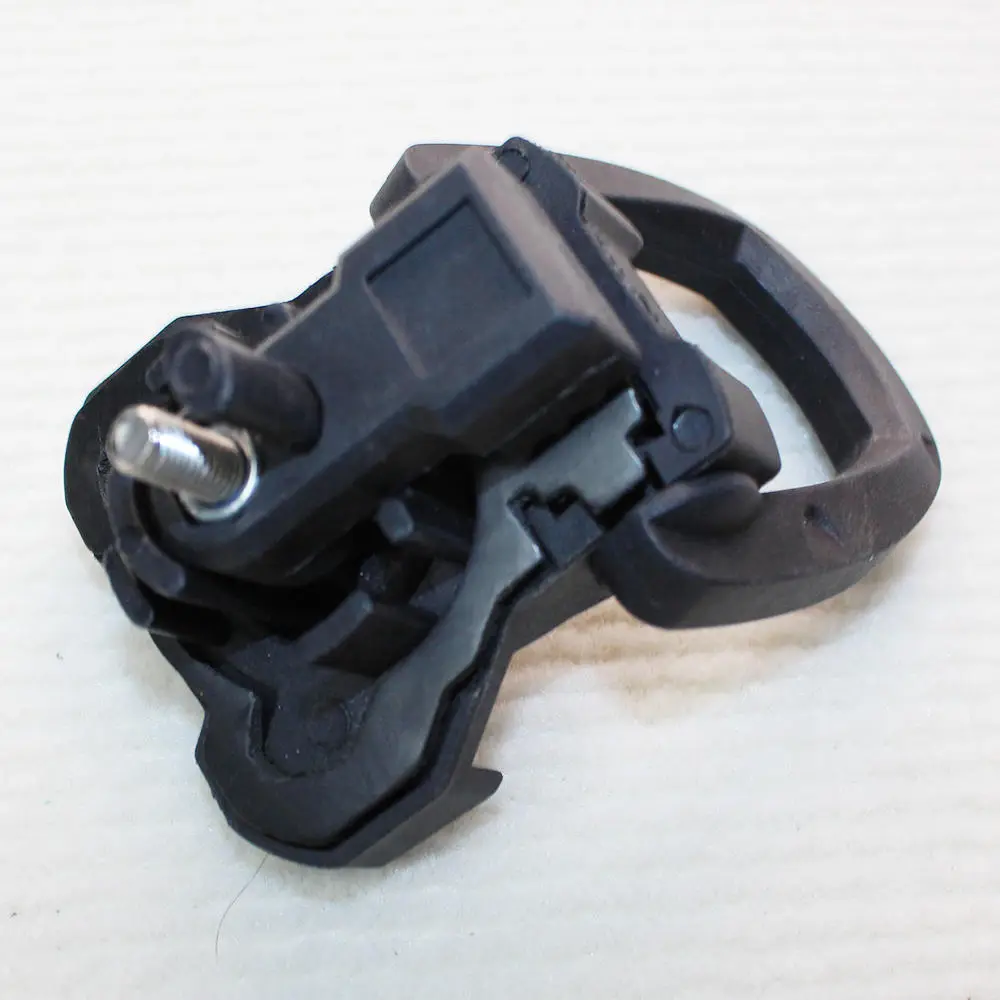
| Electrical or sensor components | Engineering plastics | As-molded or UV-stabilized |
Strength
For load-bearing components, section and grade do the work. Increasing thickness is not always the right answer — a larger section in a lower grade can outperform a thin section in a higher grade while costing less. We work through this with you during the engineering review.
Corrosion Resistance
Exposed truck hardware needs protection that survives abrasion as well as moisture. Coating thickness, surface preparation and edge coverage determine service life more than the coating type alone. Sharp edges and uncoated cut faces are where corrosion starts.
Surface Finishing
| Finish | Protection level | Typical use |
|---|---|---|
| Powder coating | Good, abrasion-resistant | Brackets, guards, bed accessories |
| Galvanizing | High, sacrificial | Structural steel components, exposed frames |
| Zinc / nickel plating | Moderate to high | Fasteners, small steel fittings |
| Anodizing | Moderate, colorfast | Visible aluminum components |
| Polishing | Appearance-led | Stainless and aluminum visible parts |
| Laser engraving | N/A (marking) | Branding and part marking |
We do not publish fixed load ratings, because the correct value depends on your component geometry, material grade and mounting arrangement. Send the load case and we will work from it.
How a Custom Truck Part Program Runs
Programs in this line typically follow one of three patterns:
- Aftermarket product development — you define the product, we prototype, tool and produce it under your brand.
- Fleet and commercial supply — repeat production to a fixed specification, with consistent batches and documented inspection.
- Replacement and spares — production from an original drawing or a reverse-engineered sample, held available for ongoing supply.
We support OEM manufacturing from your drawings, ODM where we develop the product for you to rebrand, and prototype development for new programs.
Who We Supply
Aftermarket Brands
Companies building a product range for pickup and light commercial vehicles, who need manufacturing without owning a factory. Low MOQ makes it practical to test a SKU before committing to volume.
Fleet & Commercial Suppliers
Suppliers serving fleet operators and commercial vehicle builders, who need repeatable quality across long production runs and documented inspection records per batch.
Other customers include importers and distributors building their own label ranges, and vehicle builders needing one-off or small-batch custom components.
Founded in 2006, we operate a 1,350㎡ facility with a 28-person team including 12 engineers, producing over 6,000,000 pieces a year for customers in more than 40 countries and regions. Our quality management system is ISO 9001:2015 certified.
Buying Guide: Sourcing Truck & Pickup Hardware
Define the load case before discussing price. A tie-down rated for a light load and one rated for a heavy load are different components with different costs. Suppliers who quote without asking about load are quoting a guess.
Ask how corrosion protection handles edges and cut faces. Factory-applied coatings often perform well on flat surfaces and poorly on cut edges and inside corners. These are where rust appears first on truck hardware.
Confirm repeatability, not just the sample. Fleets and distributors buy the same part for years. Ask how the approved specification is held across batches, what inspection is documented, and whether material substitution is permitted.
Match the finish to the abrasion environment. A cargo bed abrades coatings in ways a body panel does not. Powder coating and galvanizing perform differently under that load, and the choice should follow the use.
Verify the fit on the actual vehicle. Truck mounting points vary by model and by year. A bracket that fits the sample vehicle may not fit the next one, so confirm the interface dimensions you are working to.
FAQ
How do load requirements affect material and thickness? Load determines the required section and grade, not just the thickness. We work from your load case — static load, dynamic load and any impact requirement — and propose a material and geometry that meets it. Increasing thickness without reviewing the section can add weight and cost without adding usable strength.
How do you protect truck hardware from corrosion? Protection is selected for the exposure. Powder coating suits most brackets and accessories, galvanizing suits structural steel that stays exposed, and stainless steel is used where hardware remains wet or operates in coastal or heavy-salt conditions. Edge coverage and surface preparation matter as much as the coating type.
What is the difference between powder coating and galvanizing? Powder coating forms a thick, abrasion-resistant polymer layer with a wide color range and good appearance. Galvanizing provides sacrificial protection — the coating corrodes preferentially to protect the steel beneath, which is valuable on cut edges. Galvanizing is usually the better choice for structural parts, powder coating for visible or handled components.
Can you apply our branding to the hardware? Yes. Laser engraving, cast-in logos and printed marking are available. Branding is applied after finishing so it does not interrupt the protective layer.
How do you handle repeat orders for fleet supply? We hold the approved specification and tooling, and produce repeat batches to the same drawing, material and inspection criteria. Batch inspection records can be provided where your program requires documentation.
Are forged and machined options both available? Yes, depending on the component and the volume. Forging suits high-volume parts where grain flow and strength matter; machining suits lower volumes and more complex geometry. We recommend the route based on your part and quantity rather than on a fixed preference.
How do you pack heavy parts for export? Heavy components are packed to protect both the part and its finish — separation between parts, edge protection and export-grade outer packaging. We can produce custom packaging and private label where your program needs retail-ready presentation.
What determines lead time on a truck component? Tooling, material availability, finishing and quantity are the main factors. Standard prototypes are typically 5–10 business days; parts requiring new tooling may take 3–4 weeks. We confirm the schedule in the quotation.
Related Products
- Truck Bed Tie-Down & Accessories — tie-down anchors, rails and bed hardware
- Pickup Tow Hooks & Towing Hardware — tow hooks, plates and towing components
Related Applications
Truck and pickup hardware is most often specified for off-road and overlanding applications, where impact and corrosion exposure dominate, and for worksite and fleet use where repeatable quality across batches matters more than appearance.
Related Resources
- How Custom Vehicle Parts Are Made — the process from design review to delivery
- Materials Guide for Automotive & Marine Parts — how aluminum, stainless steel and plastics compare
- OEM vs ODM vs Custom Manufacturing — choosing the right supply model
Request a Quotation
Send your drawing or sample together with the load case and the exposure environment. We will propose material, section, finish and inspection criteria suited to the application, then quote.
Request a quote — or attach your files using the form on this page. We reply within 24 hours on business days.
Request a quotation
Send your drawing or sample and our engineering team will respond within 24 hours with a quotation.
- Engineering review within 24 hours
- Free DFM (design-for-manufacturability) feedback
- NDA available on request
Your data is encrypted in transit and never shared with third parties.