Custom Railway & Locomotive Parts Manufacturer — Rolling Stock Components
Precision railway and locomotive components, custom manufactured for rolling stock and rail equipment.
We manufacture locomotive and railway components to exact specifications — precision fasteners, brackets, clamps, cabinet hardware and replacement parts for rolling stock. Documentation and traceability support is available where the application requires it.
Railway & Locomotive Components: Scope & Capabilities
We are a custom railway parts manufacturer serving rolling stock manufacturers, rail operators, maintenance providers and component distributors. We produce to drawings with defined tolerances and can supply accompanying documentation where the application calls for it.
Rail differs from our other vehicle lines in the weight given to documentation. A component that performs perfectly but cannot be traced to a material batch is a problem in rail procurement. That is why we treat inspection records and material certificates as part of the product rather than as an optional extra.
Categories We Manufacture
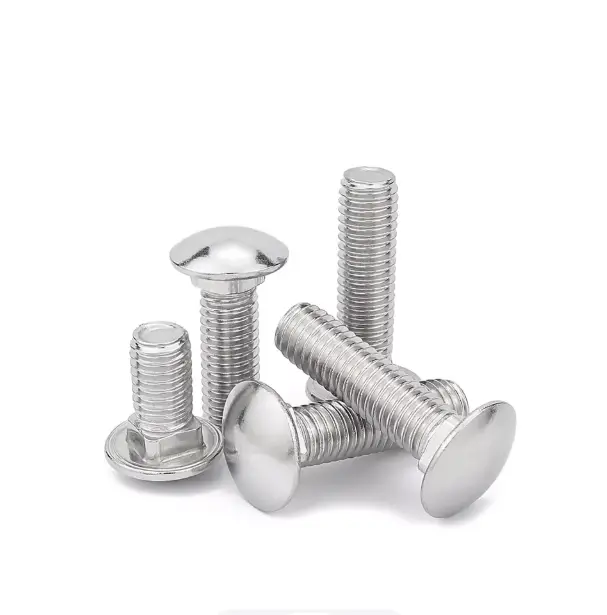
- Precision fasteners — bolts, screws, threaded components and specialized fastening hardware
- Brackets and structural fittings — mounting brackets, clamps, reinforcement plates and fittings
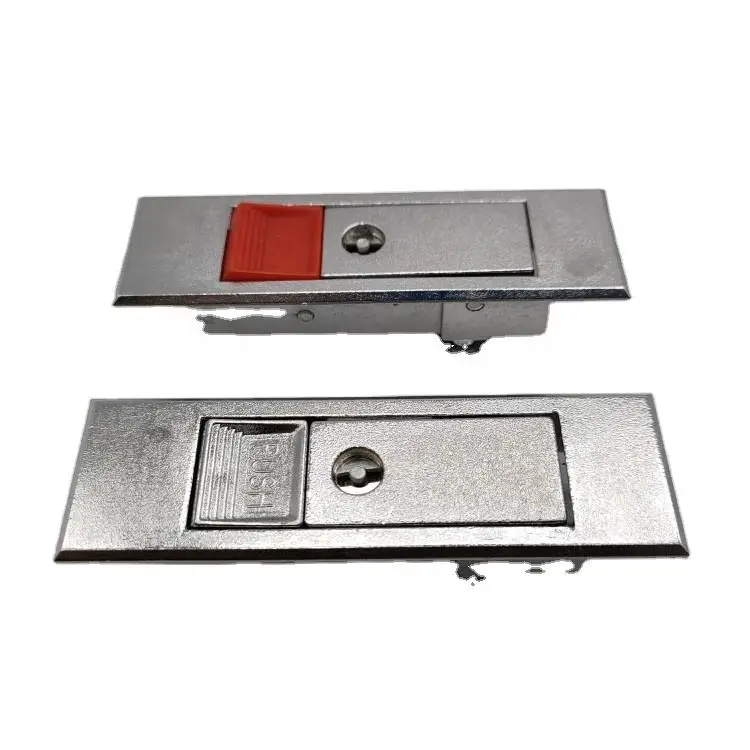
- Cabinet and control panel hardware — hinges, latches, handles and panel fittings
- Custom machined components — turned and milled parts to drawing
- Replacement parts — production from original drawings or reverse-engineered samples
How a Custom Railway Part Program Runs
- You send a drawing (or a worn part for reverse engineering) and the required documentation level.
- Our engineers review the specification, tolerance and material requirement.
- We produce a sample or first-article component for dimensional verification.
- Production runs with in-process checks at defined stages.
- Final inspection is documented, and material certificates are supplied where required.
Because rail programs frequently run for years, we hold drawings and tooling so that repeat batches match the original specification rather than drifting over successive orders.
What Rolling Stock Components Demand
Tolerance Discipline
Rail components interface with structures that were themselves built to a drawing and often to an older standard. A bracket that is close enough for a car application may not assemble on a rail vehicle, where the mating part may be decades old and the alignment is fixed. Tolerances are specified, held and documented rather than assumed.
Traceability and Documentation
Where an operator needs to know what material a component is made from, when it was produced and how it was inspected, that information has to be generated during production. It cannot be reconstructed afterwards. We record material batch, production date and inspection results as the work runs.
Long Service Life
Rail components are expected to remain in service for years, often with maintenance intervals measured in months rather than weeks. Material choice favours durability and repairability over cost reduction, and finishes are selected for decades of exposure rather than for appearance at delivery.
Interchangeability
Replacement parts must fit the assembly they were made for, and often must also fit vehicles built in different years. Where an operator maintains a fleet across model variants, interchangeability is a design constraint we work to explicitly.
Components We Manufacture
| Component group | Typical process | Common application |
|---|---|---|
| Precision fasteners and mounting hardware | CNC turning, milling, cold forming | Structural assembly, panel fixing, equipment mounting |
| Brackets, clamps and structural fittings | CNC machining, sheet metal forming, welding | Equipment mounting, structural reinforcement |
| Cabinet and control panel hardware | Die casting, machining, assembly | Cab interiors, electrical panels, storage |
| Custom machined components | Turning, milling, drilling | Application-specific mechanical parts |
| Replacement parts from original drawings | Machining, reverse engineering | Fleet maintenance and spares |
Precision Fasteners & Mounting Hardware
Fasteners are the highest-volume category in rail supply and the one where documentation requirements are most consistent. We machine and form fasteners and mounting hardware to drawing, with dimensional inspection recorded per batch.
Brackets, Clamps & Structural Fittings
Structural components must be produced to a consistent specification across repeat orders. We machine, form and weld brackets, clamps and fittings, and hold the approved drawing so that later batches match the original rather than being re-engineered from a sample.
Cabinet & Control Panel Hardware
Interior and panel hardware in rolling stock is handled frequently and must remain functional through long service intervals. We produce hinges, latches, handles and panel fittings in cast and machined materials, with finishes selected for durability rather than appearance.
Custom Machined Components
For application-specific parts, we machine to drawing across the full tolerance range, from standard machining tolerance of ±0.05 mm to tighter specifications where the function requires it.
Replacement Parts from Original Drawings
A significant share of rail component demand is replacement rather than new build. Trains remain in service for decades, while the original component supplier may no longer exist or may no longer be interested in small volumes.
Reverse Engineering
Where no drawing exists, we reverse-engineer from a physical sample. The process is:
- The worn or failed part is measured and modelled.
- Material is identified or, where it cannot be determined reliably, specified to meet the performance requirement.
- A drawing is produced and submitted to you for approval.
- A sample is produced and dimensionally verified.
- Production follows the approved drawing, which then becomes the reference for all future orders.
We flag any assumption made during reverse engineering rather than presenting an inferred dimension as a measured one. Where a material cannot be positively identified, we say so and propose a specification based on function.
Materials & Documentation
| Material | Typical use | Documentation available |
|---|---|---|
| Steel | Structural brackets, fasteners, load-bearing components | Material certificate, mill certificate on request |
| Stainless steel 304 / 316 | Corrosion-exposed fittings and hardware | Material certificate, mill certificate on request |
| Aluminum | Lightweight brackets, interior components | Material certificate |
| Brass | Small machined components | Material certificate |
| Engineering plastics | Insulating and lightweight parts | Material specification |
Steel, Stainless Steel and Aluminum
Steel is used for load-bearing structural components, usually with zinc plating, powder coating or galvanizing for corrosion protection. Stainless steel is specified where components remain exposed to moisture. Aluminum reduces weight for interior and non-structural parts.
Material Certification & Mill Certificates
Material certificates are available for production batches, and mill certificates can be supplied where you need to trace a component back to the originating steel or alloy heat. Our quality management system is ISO 9001:2015 certified. Where a program requires an additional industry certification we do not currently hold, we will say so rather than imply otherwise.
We do not claim specific rail industry approvals or certification numbers that are not in place. If your program requires a particular approval, tell us at the quotation stage and we will confirm what we can and cannot document.
Surface Finishing for Rail Environments
| Finish | Protection | Typical use |
|---|---|---|
| Zinc plating | Sacrificial, good | Fasteners and steel components |
| Powder coating | Barrier, durable | Brackets, panels, interior fittings |
| Galvanizing | Sacrificial, high | Structural steel for exposed use |
| Anodizing | Barrier, colorfast | Aluminum interior components |
| Passivation | Restores passive layer | Stainless steel after machining |
Zinc Plating
Zinc plating is the standard for steel fasteners and small components. It provides sacrificial protection, meaning the coating corrodes preferentially to protect the steel beneath — valuable where a component has cut edges or threads.
Powder Coating
Powder coating gives a thick, durable barrier layer and a wide color range, used for brackets, panels and interior fittings. Surface preparation determines performance more than the coating specification alone.
How a Custom Railway Part Program Runs
Rail programs generally fall into three patterns:
- New build supply — components produced to a defined drawing for new rolling stock, with documented inspection.
- Replacement and spares — production from original drawings or reverse-engineered samples, held available for ongoing maintenance supply.
- Retrofit and upgrade — components produced to support a modification program on vehicles already in service.
We support OEM manufacturing from your drawings, ODM where we develop the component to your requirement, and prototype development for new programs.
Who We Supply
Rolling Stock Manufacturers
Builders needing components produced to drawing with documented inspection, on a schedule that matches the production line.
Operators & Maintenance Providers
Operators and maintenance organizations needing replacement parts for vehicles in service, often where the original supplier has withdrawn or where volumes no longer interest them.
Other customers include component distributors and engineering contractors working on rail infrastructure and rolling stock projects.
Founded in 2006, we operate a 1,350㎡ facility with a 28-person team including 12 engineers, producing over 6,000,000 pieces a year for customers in more than 40 countries and regions.
Buying Guide: Sourcing Railway Components
Decide the documentation requirement before the part. Certification and traceability have to be generated during production. If a program needs material certificates, say so at the quotation stage — it affects how the order is processed and, in some cases, which material is used.
Send the drawing, or accept that reverse-engineering involves assumptions. When no drawing exists, dimensions and material are inferred. A good supplier will state which values were measured and which were assumed, so you can approve the interpretation rather than discover it in a failed part.
Confirm how repeat orders are held to specification. Rail components are often ordered repeatedly over years. Ask whether the original drawing and tooling are retained, and whether later batches are produced to that drawing or re-derived from a sample.
Check tolerance capability against the interface. The tolerance your drawing specifies must be achievable for the geometry. We confirm this during the engineering review rather than accepting a drawing that cannot be produced reliably.
Ask what happens if a documentation requirement cannot be met. A supplier that says “yes” to every certification question is not a reliable supplier. We will tell you clearly what we can document and what we cannot.
FAQ
What documentation accompanies a production batch? Dimensional inspection records against the approved drawing are standard. Material certificates are available on request, and mill certificates can be supplied where you need to trace material back to its originating heat.
Are mill certificates available? Yes, on request. We will confirm availability at the quotation stage, since it depends on the material and the supplier route for that specific component.
How does reverse engineering from a worn part work? We measure and model the part, identify or specify the material, produce a drawing and submit it for your approval, then produce a sample for dimensional verification before production. Assumptions made during the process are flagged explicitly so you can approve them.
What tolerances can you hold for rail components? Standard machining tolerance is ±0.05 mm, with tighter tolerances available where the function requires. We confirm achievable tolerance for your specific geometry during the engineering review rather than quoting a blanket figure.
Can you supply replacement parts for rolling stock maintenance? Yes. This is a significant part of our rail work. We produce from original drawings where available, or from a reverse-engineered sample, and retain the drawing so ongoing maintenance supply stays consistent.
Do you hold rail industry approvals? Our quality management system is ISO 9001:2015 certified. We do not claim additional rail-specific approvals or certification numbers that are not in place. If your program requires a particular approval or documented standard, tell us at the quotation stage and we will confirm exactly what we can provide.
Do you accept small quantities for maintenance use? Yes. Maintenance requirements are often small and irregular. Low volumes are viable, and tooling or drawings are held so that a later order can be produced to the same specification.
What determines lead time on a documented order? Material availability, the documentation requirement, inspection scope and quantity are the main factors. Standard prototypes are typically 5–10 business days; parts requiring new tooling may take 3–4 weeks. We confirm the schedule at quotation.
Related Products
- Railway Precision Fasteners — fasteners and mounting hardware to drawing
- Locomotive Cabinet & Panel Hardware — cab and electrical panel hardware
Related Applications
Rail components fall under rail and transit applications, where traceability and tolerance discipline are the defining requirements, and are frequently supplied under maintenance and spares programs rather than new-build orders.
Related Resources
- How Custom Vehicle Parts Are Made — the process from design review to delivery
- Materials Guide for Automotive & Marine Parts — how aluminum, stainless steel and plastics compare
- OEM vs ODM vs Custom Manufacturing — choosing the right supply model
Request a Quotation
Send your drawing, or the part you need reproduced, together with the documentation requirement for your program. We will confirm material, achievable tolerance and what we can document, then quote.
Request a quote — or attach your files using the form on this page. We reply within 24 hours on business days.
Request a quotation
Send your drawing or sample and our engineering team will respond within 24 hours with a quotation.
- Engineering review within 24 hours
- Free DFM (design-for-manufacturability) feedback
- NDA available on request
Your data is encrypted in transit and never shared with third parties.