Custom RV & Motorhome Parts Manufacturer — Camper & Motorhome Hardware
Durable RV, camper and motorhome hardware and accessories, custom made for manufacturers and aftermarket brands.
We manufacture reliable RV and motorhome components built to handle vibration, weather and daily use — from cabinet latches and hinges to roof hardware, interior fittings and exterior access components. Every part is produced to your drawing or sample and inspected before packaging.
RV & Motorhome Parts Manufacturing: Scope & Capabilities
We are a custom RV parts manufacturer working with motorhome builders, camper manufacturers, aftermarket brands and distributors. Our role is to turn a defined requirement — a drawing, a worn sample, or a new product concept — into production batches that match the approved sample on every run.
RV manufacturing differs from passenger-car production in one important way: volumes are lower and model years change faster. A component that holds 40,000 units a year in automotive may see 800 units in a camper line. That is why we work at low MOQ and treat small batch production as normal rather than exceptional.
Categories We Manufacture
- Cabinet and storage hardware — latches, hinges, handles and drawer fittings
- Roof hardware — rack components, rails, mounting plates and roof fittings
- Exterior fittings — access hatches, vent hardware, compartment locks and trim
- Interior components — trim pieces, panel fittings, knobs and compartment dividers
- Structural hardware — brackets and mounting components for fit-out assemblies
How a Custom RV Part Program Runs
- You send a drawing, CAD file, physical sample or written requirement.
- Our engineers review manufacturability and propose material, tolerance and finishing options.
- We prototype so you can verify fit against the actual cabinet, panel or roof structure.
- Production runs with in-process checks at defined stages.
- Every batch passes final inspection against your approved sample before packing and export.
Because RV assemblies are often hand-fitted, the prototype stage matters more here than in most categories. A latch that is dimensionally correct but impossible to install with one hand is not a finished design.
What Moves, Shakes and Weathers in an RV
An RV is a building that travels. Components must survive conditions that neither a house nor a car experiences in the same combination.
Vibration
Every journey shakes the interior. Cabinet latches, hinges and drawer fittings are the first to fail because they carry a moving load. Fastener retention, detent strength and the interface between latch and strike plate all matter more than the latch body itself.
Weather and UV
Roof hardware and exterior fittings sit in direct sun for years. UV exposure breaks down plastics, fades coatings and embrittles seals. For exposed components we select UV-stabilized materials and finishes that hold their appearance, not just their function.
Temperature Cycling
An RV parked in the sun reaches interior temperatures well above ambient, then cools overnight. Repeated expansion and contraction works screws loose and stresses bonded or press-fit assemblies. Material selection should account for the thermal expansion of both halves of an assembly.
Moisture
Condensation, driving rain and wash-down all put water where it was not designed to be. Exterior access hardware and vent components need sealing surfaces that tolerate repeated opening and closing without degrading.
RV Hardware We Manufacture
| Component group | Typical process | Common application |
|---|---|---|
| Cabinet latches, hinges and handles | Die casting, machining, injection molding | Galley, wardrobe, overhead lockers |
| Roof racks, rails and mounting hardware | Machining, forming, extrusion | Roof storage, solar mounting, roof accessories |
| Exterior access hatches and vents | Casting, forming, assembly | Utility access, ventilation, service panels |
| Interior trim and compartment fittings | Machining, molding | Cabinetry, wall panels, dividers |
| Brackets and structural mounts | CNC machining, sheet metal forming | Fit-out assembly, equipment mounting |
Cabinet Latches, Hinges & Handles
Cabinet hardware is the highest-wear category in any RV interior. We produce push latches, positive-catch latches, hinges and handles in die-cast zinc alloy, machined aluminum, stainless steel and engineering plastics. For a more detailed specification, see our camper cabinet latches and handles range.
Roof Rack, Rails & Mounting Hardware
Roof components carry both static loads and the aerodynamic and vibration loads of travel. We machine and form rails, mounting plates, brackets and tie-down points, with material and finish chosen for the roof exposure. See our RV roof rack and mounting hardware for the standard component set.
Exterior Access Hatch & Vent Hardware
Hatches, vents and service panels need hinges and latches that seal when closed and release reliably after years of weather. We produce the hardware rather than the molded panel: hinges, latch mechanisms, stays and mounting frames.
Interior Trim & Compartment Fittings
Interior components are judged on appearance and quiet operation. We manufacture trim pieces, panel fittings, knobs and compartment hardware with finishes selected to match the cabinetry, and with tolerances tight enough to avoid rattles in service.
Materials for RV Interiors and Exteriors
The split between interior and exterior is the single most important material decision in RV hardware.
| Environment | Conditions | Typical material choice |
|---|---|---|
| Interior cabinetry | Wear, cleaning agents, appearance-critical, weight-sensitive | Zinc alloy, machined aluminum, engineering plastics |
| Roof and exterior | UV, rain, temperature cycling, wind load | Anodized aluminum, stainless steel 304 / 316, UV-stabilized plastics |
| Wet areas | Repeated moisture, cleaning chemicals | Stainless steel 304 / 316, engineering plastics |
| Underside and chassis | Road spray, stone impact, corrosion | Coated steel, stainless steel, galvanized components |
Interior — Lightweight and Quiet
Interior hardware affects both payload and noise. Aluminum and engineering plastics reduce weight where it accumulates across dozens of fittings, and tight tolerance control prevents the rattle that owners notice immediately on the first rough road.
Exterior — Resistant and Sealed
Exterior hardware is specified for the worst week of the year, not the average. Anodized aluminum handles most roof and body-side applications; stainless steel 304 or 316 is used where hardware stays wet or the vehicle operates in coastal regions.
Surface Finishing for RV Hardware
Finishing is chosen for appearance, corrosion protection or both.
| Finish | Best suited to | Notes |
|---|---|---|
| Powder coating | Brackets, guards, structural parts | Thick, durable, wide color range, good UV stability |
| Anodizing | Visible aluminum trim and hardware | Colorfast, corrosion protection, satin to matte |
| Zinc / nickel plating | Steel fasteners and fittings | Sacrificial protection for steel components |
| Polishing | Visible decorative hardware | Bright appearance, requires stainless or aluminum |
| PVD coating | High-wear visible hardware | Hard, color-stable surface for durable trim |
| Laser engraving | Branding and part marking | Applied after finishing, does not affect protection |
How a Custom RV Part Program Runs
Retrofit and Finish Matching
Retrofitting hardware to an existing vehicle is a common request. We match finishes by sample or color reference so replacement parts sit alongside original components without a visible mismatch — important when a customer upgrades one cabinet or replaces a single roof fitting.
New Model-Year Development
For new model years, we support the full path: design review, prototyping, tooling where needed, first-article inspection and volume production. Because RV model cycles are short, prototype turnaround is usually the deciding factor in whether a supplier can be used at all.
We support OEM manufacturing from your drawings, ODM where we develop the product for you to rebrand, and prototype development for new programs. Prototype runs are viable at low volume, and production scales from there.
Who We Supply
- Motorhome and camper manufacturers specifying hardware for new model lines
- Aftermarket and accessory brands building product ranges under their own label
- Importers and distributors supplying RV hardware to dealers and retail
- Fit-out and conversion specialists needing one-off or small-batch custom components
Founded in 2006, we operate a 1,350㎡ facility with a 28-person team including 12 engineers, producing over 6,000,000 pieces a year for customers in more than 40 countries and regions. Our quality management system is ISO 9001:2015 certified.
Buying Guide: Sourcing RV & Camper Hardware
Test the part the way the vehicle uses it. A latch verified on a bench may still fail after a season on the road. Ask how the sample was validated — fit on the actual assembly, repeated operation, and vibration exposure — rather than only whether dimensions were met.
Match the material to the specific location, not to the vehicle. Interior cabinetry and roof hardware on the same vehicle need different materials. A supplier who proposes one material for both is not reading your application.
Confirm finish matching before committing. Retrofits live or die on appearance. Send a reference part or a color target so the finish can be verified on the prototype rather than on the production batch.
Plan for the model-year cycle. RV volumes are lower than automotive and change faster. Confirm the supplier will hold tooling and continue supplying replacements after the initial run, not only for the launch order.
Check the sealing and wear interface. For exterior hardware, the interface between moving part and seal is where failure appears first. Ask how it is tested.
FAQ
Can you match the finish of existing RV hardware? Yes. We match finishes by sample or color reference across powder coating, anodizing, plating and polishing. This is the usual approach for retrofit work, where a replacement component must sit alongside original hardware without a visible difference.
What materials do you recommend for RV cabinet hardware? Die-cast zinc alloy and machined aluminum are common for latches and hinges because they hold tolerance and take a clean finish. Engineering plastics suit lighter-duty fittings and help reduce weight and noise. The choice usually comes down to how much load the fitting carries and how often it is operated.
How do you prevent hardware from rattling on rough roads? Rattle comes from clearance in the assembly, not from the material. We control the interface tolerances between moving parts and, where relevant, the preload of the catch. If you have a noise target, mention it during the review and we will treat it as a defined requirement rather than a by-product.
Do you support small batch production for new RV models? Yes. Low MOQ and small batch production are standard for us because RV model volumes are typically lower than automotive. Prototype runs are viable for evaluation and we scale from there.
Which materials suit roof hardware? Anodized aluminum is the usual choice for rails and mounting plates because it combines strength, low weight and UV-stable color. Stainless steel is used where the hardware stays wet or the vehicle operates near the coast.
Can you produce exterior hardware that seals properly? We manufacture the mechanical hardware — hinges, latches and stays — and can work to the sealing interface you define. Where a molded panel or gasket is involved, we produce to your specification for the mating geometry.
How long does a prototype take? Standard prototypes are typically 5–10 business days. Parts requiring new tooling may take 3–4 weeks. We confirm the schedule in the quotation response rather than quoting a blanket figure.
Do you supply replacement parts after the original order? Yes. We hold tooling and can produce repeat batches to the approved specification, which is how most aftermarket and spare-part programs are structured.
Related Products
- Camper Cabinet Latches & Handles — latches, hinges and handles for RV cabinetry
- RV Roof Rack & Mounting Hardware — rails, plates and roof mounting components
Related Applications
RV hardware usually falls under off-road and overlanding applications, where vibration and weather exposure are the defining conditions, and under private-label programs where the customer’s own brand is applied to the finished hardware.
Related Resources
- Materials Guide for Automotive & Marine Parts — how aluminum, stainless steel and plastics compare
- How Custom Vehicle Parts Are Made — the process from design review to delivery
- How to Choose a Custom Car Parts Manufacturer — an evaluation checklist that applies to any vehicle line
Request a Quotation
Send your drawing, a sample, or a description of the assembly the part has to fit. Include the location on the vehicle — interior cabinetry, roof, or exterior body — and we will propose materials and finishes suited to that exposure, then quote.
Request a quote — or attach your files using the form on this page. We reply within 24 hours on business days.
Sample products
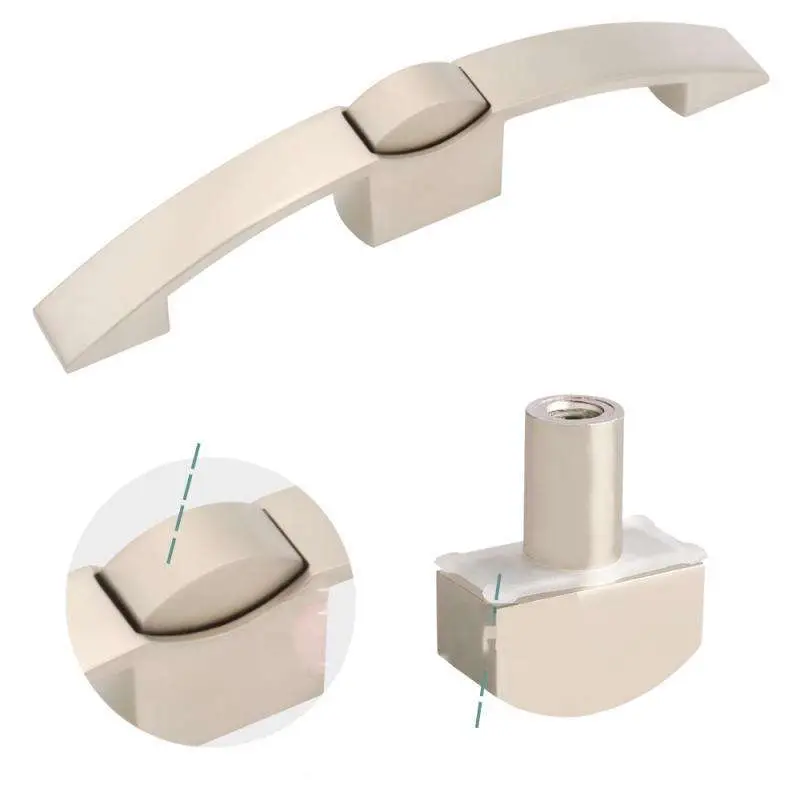
Camper Cabinet Latches & Handles
Reliable cabinet latches, hinges and handles engineered for vibration and repeated use in campers.
View details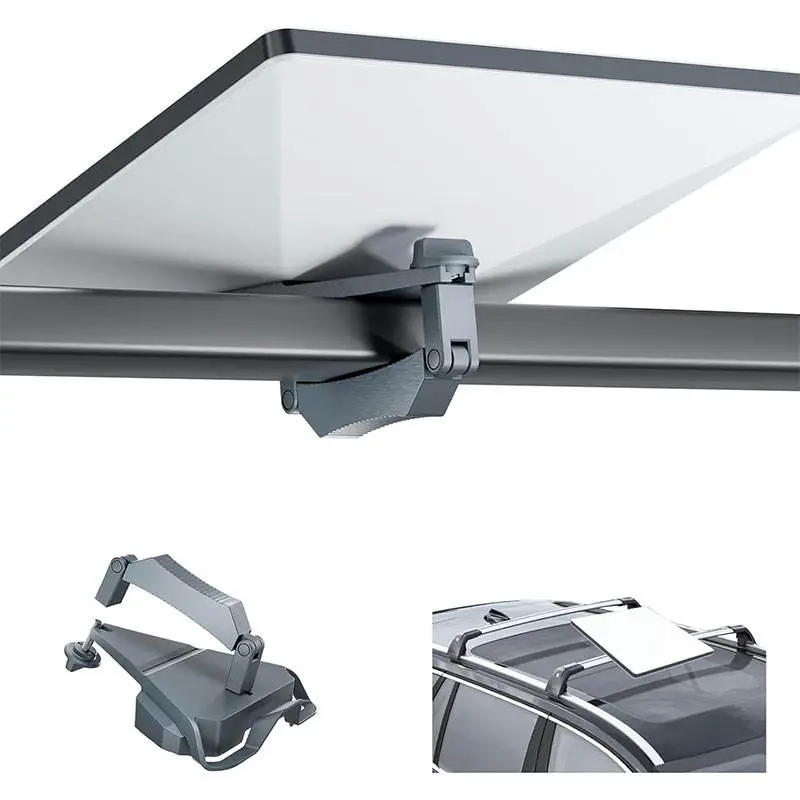
RV Roof Rack & Mounting Hardware
Durable roof racks, rails and mounting hardware for RVs, campers and motorhomes.
View details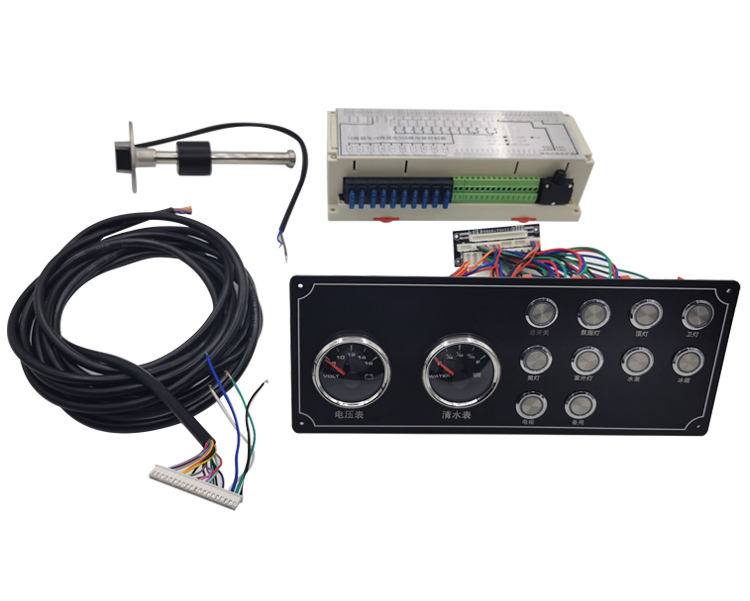
Custom RV Control Panel & Switch Panel
Custom RV and marine control panels that combine water tank gauges, a battery monitor and 6–12 backlit switches with a 10 + 4 channel controller on an anodized aluminum face. Standard configurations are supplied as finished products; lettering, logo and cut-out can be customized.
View detailsRequest a quotation
Send your drawing or sample and our engineering team will respond within 24 hours with a quotation.
- Engineering review within 24 hours
- Free DFM (design-for-manufacturability) feedback
- NDA available on request
Your data is encrypted in transit and never shared with third parties.